All Categories
Featured
Table of Contents
Belonging to a bigger holding structure provided vital sponsorship and administrative support in the city's early years, ensuring that the enthusiastic plans had the institutional muscle needed to see them through. After the grand statement in 2004, Dubai systematically commenced developing an industrial environment from the ground up.
A stretching storage facility complex covering 22 million square feet was constructed in 3 stages: the very first phase was completed by mid-2008, the second by the end of that year, and the 3rd was prepared for leasing by mid-2009. This early accomplishment, countless square feet of all set logistics and factory space, offered Dubai Industrial City with roadways, utilities, and centers capable of supporting preliminary factories even as the 2008 worldwide monetary crisis hit.
As the financial decline receded, between 2009 and 2014 Dubai Industrial City got in a phase of sectoral expansion. Brand-new tasks in metals, developing products, and logistics took root, taking advantage of the city's proximity to Jebel Ali Port and the brand-new Al Maktoum Airport. Updated power, water, and communications networks strengthened this growth.
Around 2015, the strategy rotated toward higher-value production. Electronics production lines were set up, and an electrical lorry assembly facility was developed with an initial capacity of 10,000 cars and trucks annually in a 45,000-square-foot plant, later on expanded to 55,000 vehicles annually to satisfy growing demand for green mobility in Gulf markets.
Operation 300 Billion set out to improve the UAE's industrial GDP from AED 133 billion to AED 300 billion by 2031 and heavily promoted research study and development in clean energy innovations. These nationwide policies enhanced Dubai Industrial City's role as a platform for commercial innovation, aligning the city's development with the country's more comprehensive push into advanced production and technology.
Achieving Operational Excellence in Dubai's Industrial Sector
Select factories introduced automation systems and synthetic intelligence for data collection and efficiency gains, while collaborations with universities were created to drive applied research and nurture regional skill in digital manufacturing and robotics. In these years, the city successfully became an incubator for clever markets in the Gulf, piloting developments that would later on spread more extensively.
Charting GCC Corporate Strategy in 2026Throughout this period, Dubai Industrial City signed a series of contracts with Asian production companies, a large share of them from China, to develop or assemble electric lorries and renewable resource devices on its grounds. More than AED 410 million was invested to include further commercial realty, broadening the city's acreage when again by nearly 14 million square feet.
Dubai Industrial City had efficiently end up being the execution arm of Dubai's Economic Agenda "D33" (the emirate's method to double the size of its economy by 2033) and a first line of defense in enhancing regional supply chains against worldwide disturbances. Across twenty years of continuous advancement, Dubai Industrial City has developed from a confident facilities job into a totally incorporated regional production platform.
Charting GCC Corporate Strategy in 2026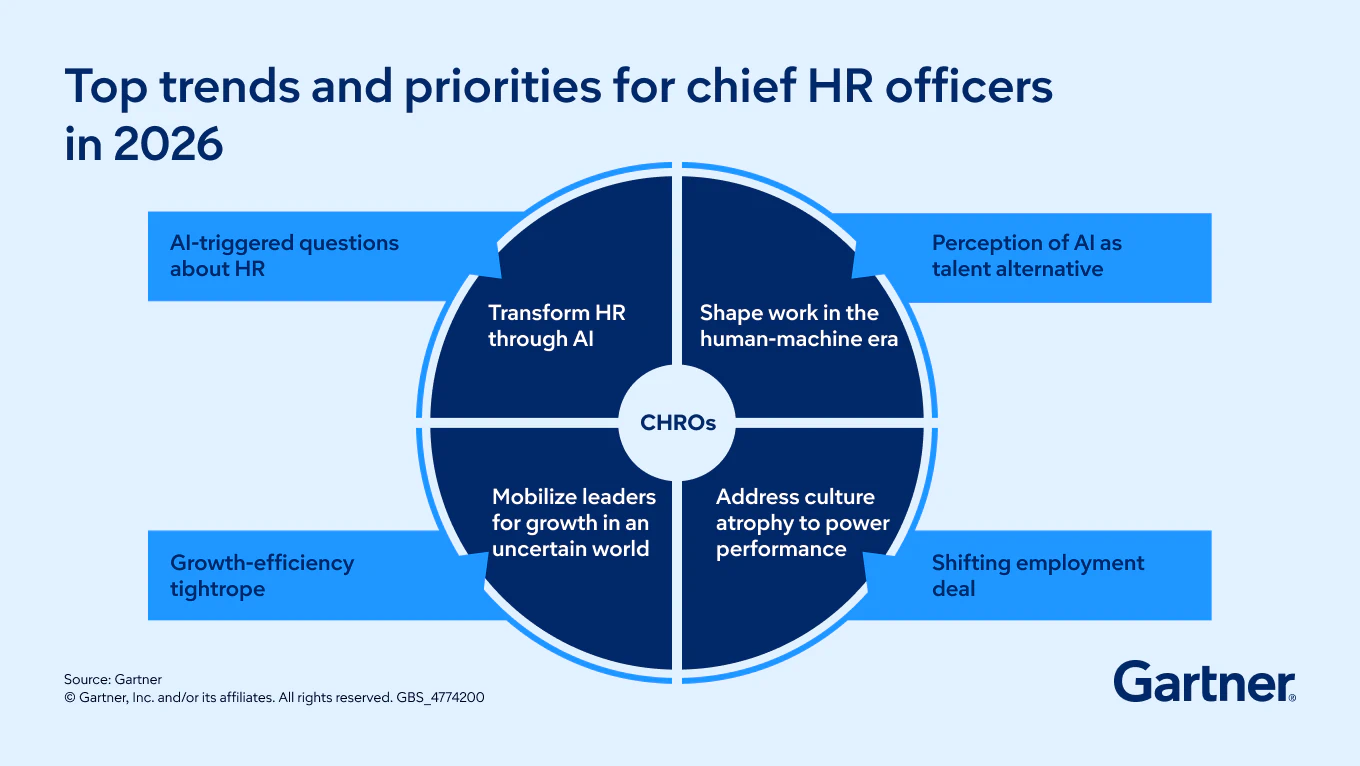
How to Successfully Deploy Future Strategies for 2026
What began as a desert vision in 2004 is now a concrete engine of production and development, demonstrating how far-sighted financial planning can yield transformative lead to a fairly short time. The effect of Dubai Industrial City's development is plainly reflected in main data. By the end of 2024, the number of companies operating within the city exceeded 1,100, a boost of over 10% compared to the previous year.
The city now hosts more than 350 factories in production, up 16% from a year previously. Especially, the food and beverage sector alone accounts for over 300 factories running inside Dubai Industrial City, making Dubai a vital regional hub for food processing and food security, a role that got prominence after the global supply shocks of the COVID-19 pandemic.
In 2022 and the first half of 2023, the city drew in approximately AED 2.8 billion (USD 760 million) in new financial investments, with a big portion streaming into food production and advanced manufacturing tasks. The momentum continued through 2024: that year, Dubai Industrial City drew nearly USD 350 million (about AED 1.3 billion) of additional financial investment in the food and drink sector.
All this development has driven need for area to an all-time high. Industrial land occupancy in Dubai Industrial City reached around 97% in the very first quarter of 2023, with an annual development rate in occupied space of about 12%. The expanding production capability is also feeding into the wider economy: the production sector contributed around 8.4% of Dubai's overall GDP in 2024 and represented 6.2% of the emirate's GDP growth throughout the very first nine months of that year.

Latest Posts
How Future-Focused Strategy Reshapes the Regional Economy
Maximising Corporate ROI through Strategic Market Planning
Boosting Dubai Industrial Growth via Operational Excellence